Manual pallet jacks are low-cost and simple, but electric models can transform productivity in high-volume operations. Here's a side-by-side comparison to guide your decision.
Self-Propelled Floor Scrubbers: The Ultimate Guide for Warehouse Managers
Jun 10, 2024 - Floor Cleaning, Buying Guides
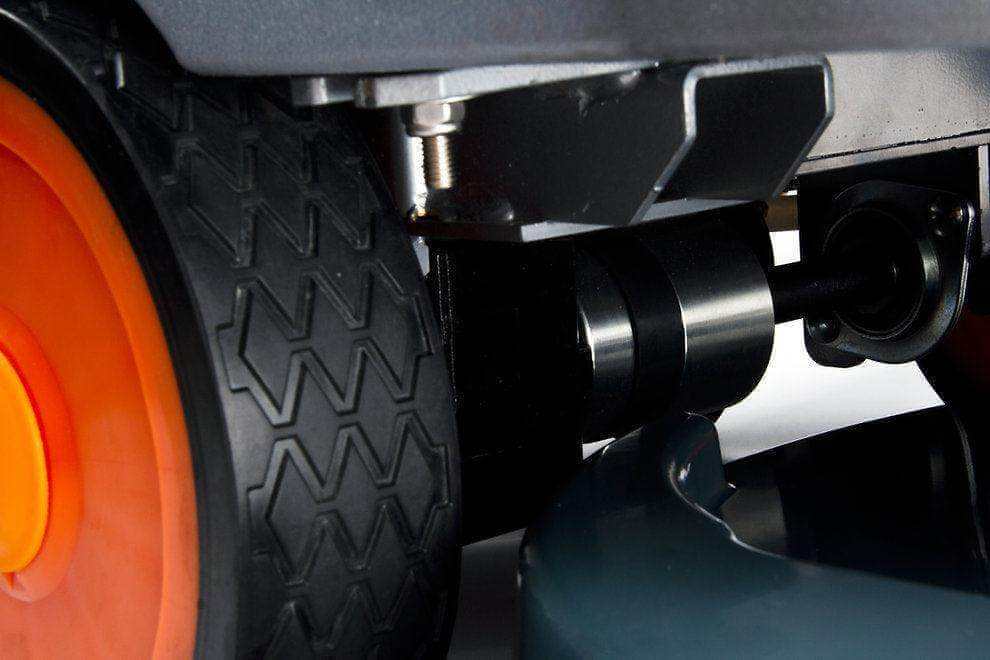
Self-propelled floor scrubbers — machines where the drive motor powers both the scrub head and the machine's forward movement — are the standard for serious warehouse cleaning programs. Unlike manually pushed scrubbers that rely on operator effort to move the machine, self-propelled units maintain consistent speed and pressure across the entire cleaning path. Here's what warehouse managers need to know before purchasing.
How Self-Propelled Scrubbers Work
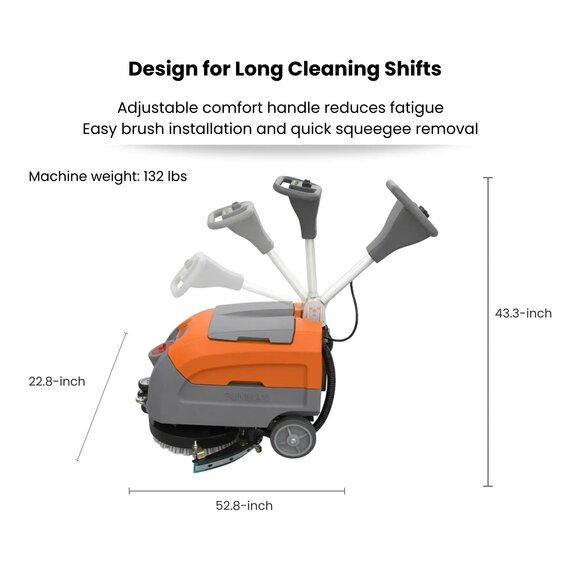
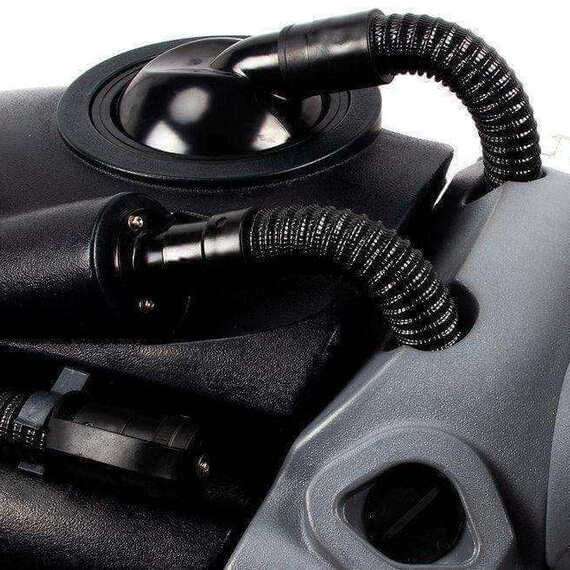
A self-propelled scrubber uses separate motors for the drive wheels, scrub brush rotation, and solution/recovery systems. The operator controls speed and direction via a tiller or steering wheel, while the machine manages brush pressure, solution flow, and squeegee recovery automatically. The result is consistent cleaning quality regardless of operator physical effort — critical for large-area cleaning where fatigue would otherwise cause quality to drop off.
Speed and Productivity Ratings
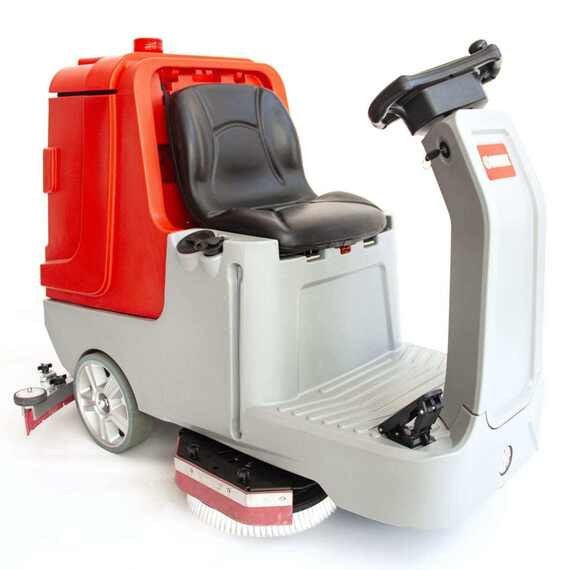
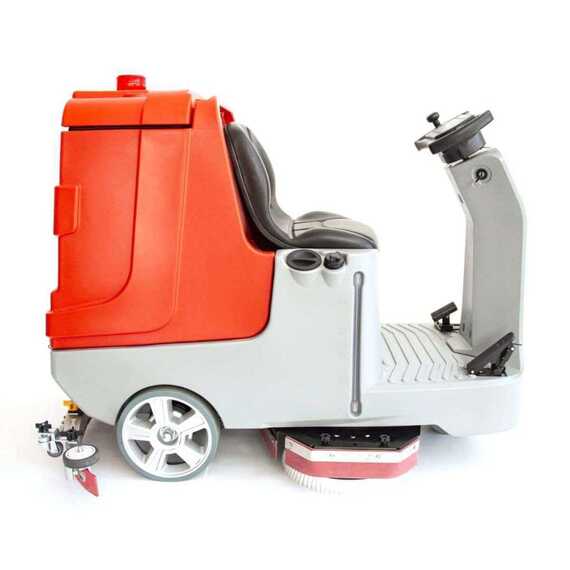
Self-propelled walk-behind scrubbers typically operate at 2.5–4 km/h with cleaning paths of 17–28 inches, yielding 15,000–25,000 sq ft per hour. Ride-on self-propelled models run at higher speeds with cleaning paths up to 32 inches, covering 40,000–80,000+ sq ft per hour. Match the productivity rating to your facility's cleaning window requirements.
Key Specifications to Evaluate
- Solution tank size: Determines run time between refills. Match to your cleaning zone size.
- Recovery tank size: Should match or exceed solution tank to avoid overflow.
- Scrub head type: Disc for smooth floors, cylindrical for textured or grouted surfaces.
- Brush pressure: Higher pressure improves cleaning on stubborn contamination but increases brush wear.
- Battery type: Lithium-ion for multi-shift operations; lead-acid for single-shift with overnight charging.
Operator Training Requirements
Self-propelled scrubbers require minimal training — typically 1–2 hours for competent operation. Focus training on: proper chemical dilution, squeegee blade inspection and replacement, tank draining and cleaning procedures, and end-of-shift maintenance. Operators who understand why each step matters perform maintenance more consistently.
When to Choose Self-Propelled Over Manual Push
If your facility exceeds 10,000 sq ft of floor space to be cleaned in a single session, or if operators currently end shifts physically fatigued from pushing a manual scrubber, self-propelled is the correct specification. The productivity gain in larger facilities makes it the only practical choice.
Mayfair Export carries self-propelled walk-behind and ride-on scrubbers suitable for demanding warehouse environments. Contact us for a product recommendation based on your facility size and cleaning requirements.