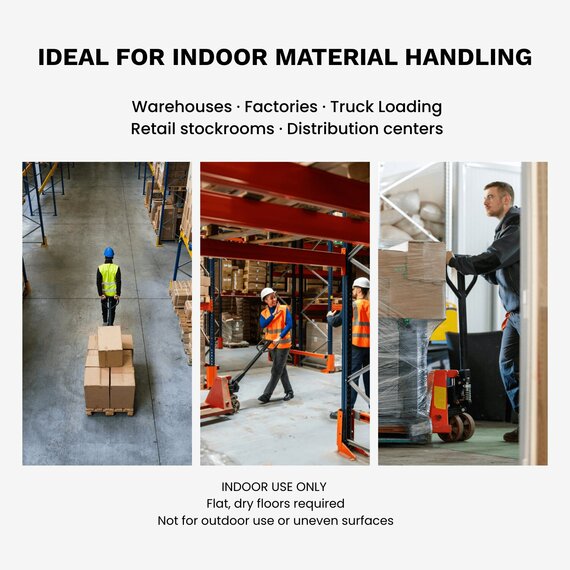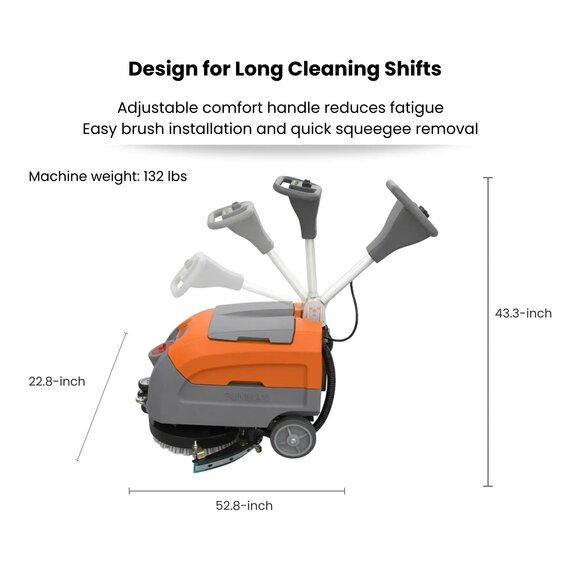
Self-propelled floor scrubbers combine drive power and scrubbing in one machine, making them the preferred choice for large warehouse cleaning programs. This guide covers everything you need to know.
How to Choose the Right Floor Scrubber for Your Facility
mars 22, 2015 - Floor Cleaning, Buying Guides
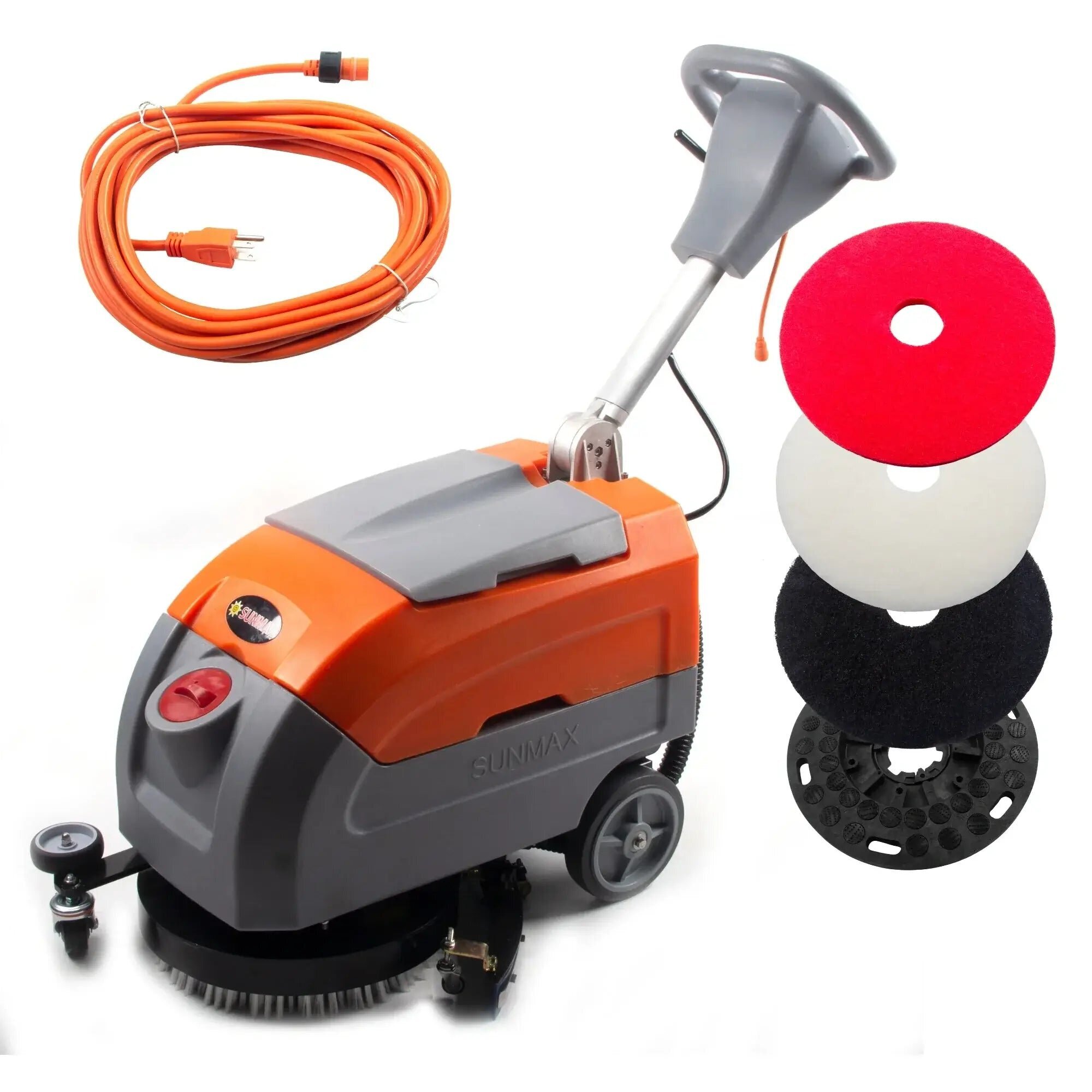
Investing in an industrial floor scrubber is one of the smartest moves a facility manager can make — but only if you choose the right machine for your environment. The wrong scrubber leads to poor cleaning results, premature wear, and wasted budget. Here's what to consider before you buy.
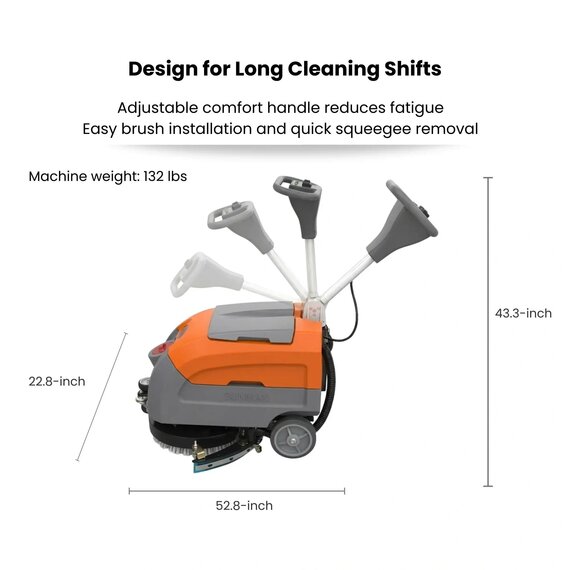
Understand Your Floor Surface
Different floor types demand different scrubber configurations. Smooth concrete and epoxy-coated floors work well with disc scrub heads, while uneven or textured surfaces require cylindrical brush heads that can reach into grooves and joints. Identify your primary flooring material before evaluating any machine.
Measure Your Facility Footprint
Floor scrubbers are rated by square footage per hour. A 20,000 sq ft warehouse operating on a tight cleaning window needs a wide-path ride-on unit. A 5,000 sq ft retail stockroom can typically be handled by a compact walk-behind. Map your space and factor in aisles, racking columns, and obstacles.
Consider Power Source
Battery-powered scrubbers (lead-acid or lithium-ion) are the standard for indoor use — no fumes, no cord management. Lithium-ion batteries charge faster, last longer, and perform consistently at low charge levels. For large facilities running multiple shifts, lithium is increasingly worth the premium.
Evaluate Tank Capacity
Tank size determines how long the machine can run between refills. Match solution and recovery tank capacity to your cleaning route. A tank too small means constant stops; too large adds unnecessary machine weight that can stress battery life.
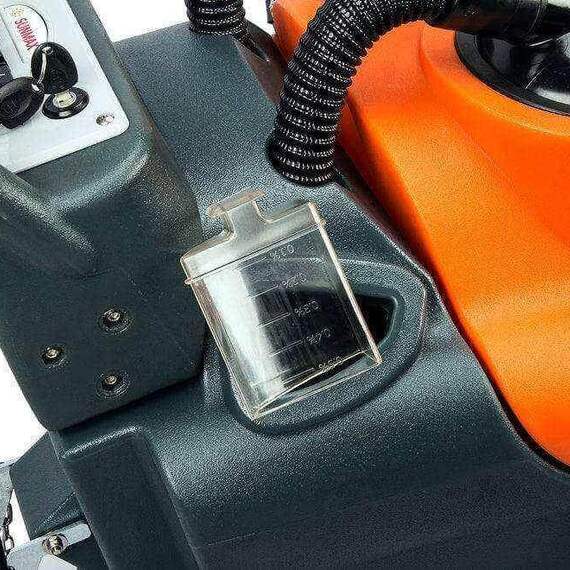
Check Maintenance Requirements
Look for scrubbers with tool-free brush access, easy-drain tanks, and readily available consumables. Ask suppliers about local parts availability and service response times before committing.
Total Cost of Ownership
Purchase price is only part of the equation. Factor in brush and squeegee replacement cycles, battery lifespan, water and chemical consumption, and labour hours saved. The right machine typically pays for itself within 12–18 months in a high-traffic facility.
Mayfair Export supplies industrial-grade floor scrubbers to businesses worldwide. Contact our equipment specialists for a facility assessment and tailored recommendation.