Lithium battery technology is rapidly replacing lead-acid in modern warehouse equipment fleets. Here's why the shift is accelerating and what it means for your operation.
How to Calculate the ROI of Industrial Cleaning Equipment
Th08 25, 2021 - Buying Guides, Warehouse Operations
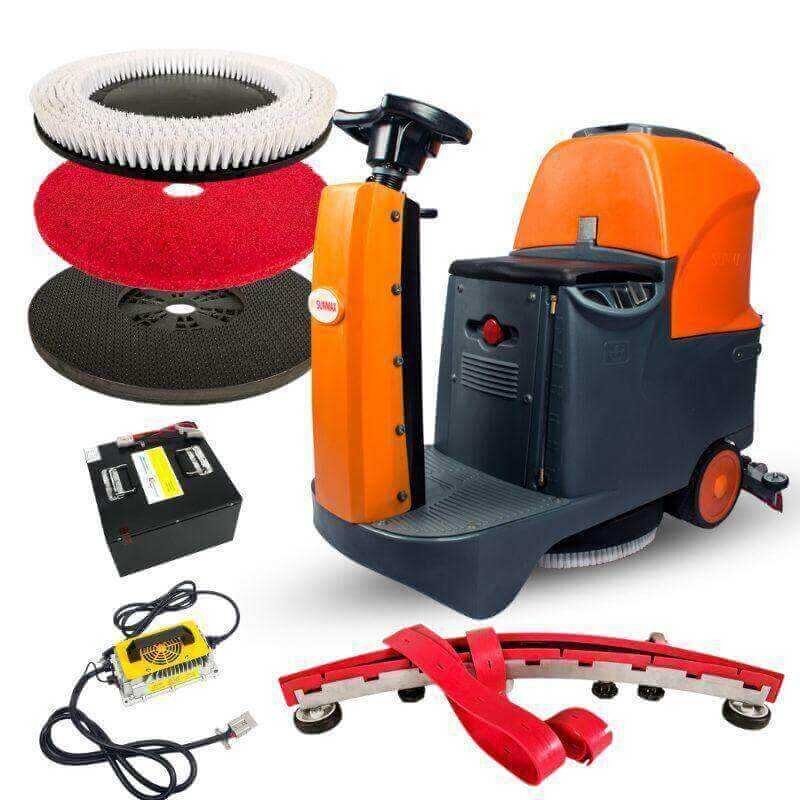
Industrial floor scrubbers and sweepers represent a capital expenditure, and like any capital purchase, the decision should be supported by clear financial analysis. The good news: cleaning equipment ROI calculations are straightforward, and the case is almost always compelling. Here's how to build yours.
Step 1: Establish Your Current Cleaning Cost
Add up what you currently spend on floor cleaning per year. Include: labour hours (multiply hours per shift by shifts per week by 52, then by hourly wage plus benefits burden — typically 25–30% on top of wage), cleaning chemical costs, mop and consumable replacement, and any contract cleaning fees. This is your baseline annual cost.
Step 2: Estimate Post-Equipment Labour Savings
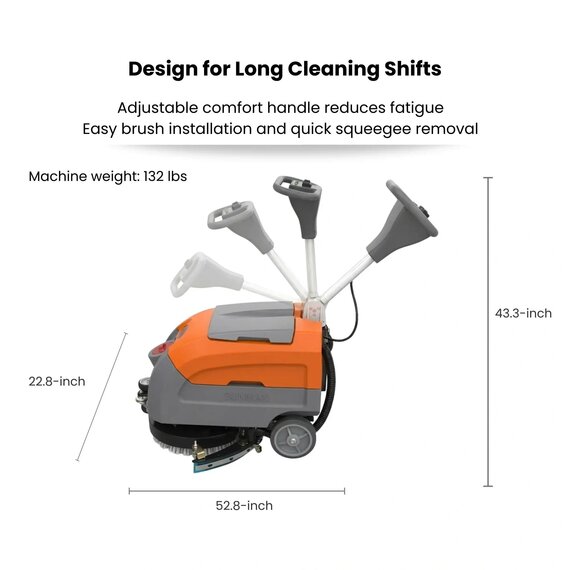
A walk-behind scrubber covering 20,000 sq ft per hour versus a mop crew taking 4 hours to cover the same area translates directly into labour hour reduction. Calculate the reduced hours per shift, multiply by wage rate, and project annual savings. In most mid-size warehouses, this figure alone exceeds $20,000–$40,000 CAD per year.
Step 3: Factor in Chemical and Water Savings
Industrial scrubbers use chemical solution more efficiently than mop-and-bucket methods, and the solution is recovered rather than left on the floor. Most facilities see a 30–50% reduction in cleaning chemical consumption after switching to machine cleaning.
Step 4: Account for Safety and Liability Savings
This figure is harder to quantify but significant. Slip-and-fall incidents cost employers an average of $28,000–$100,000 per incident when workers' compensation claims, lost productivity, and legal exposure are included. Scrubbers leave floors drier and cleaner than mops — measurably reducing incident risk.
Step 5: Calculate Payback Period
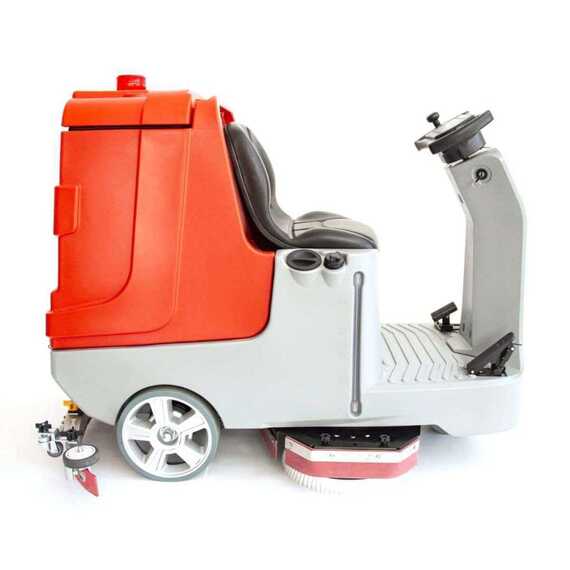
Divide the total equipment cost (machine purchase + delivery + training) by total annual savings (labour + chemicals + estimated incident cost reduction). This gives you the payback period in years. Most walk-behind scrubbers show 12–24 month payback. Ride-on units in large facilities often pay back in under 18 months.
Simple Example
Equipment cost: $8,500 CAD. Annual labour savings: $22,000. Annual chemical savings: $1,800. Total annual savings: $23,800. Payback period: 4.3 months. 10-year return (equipment lifespan): $229,500 net savings.
Mayfair Export can help you build a customized ROI model for your specific facility. Contact our team to get started.