Electric pallet stackers are a significant investment. A simple, consistent maintenance routine will extend service life, prevent costly breakdowns, and keep your operation moving safely.
Why Modern Warehouses Are Switching to Lithium Battery Equipment
Th10 07, 2025 - Warehouse Operations
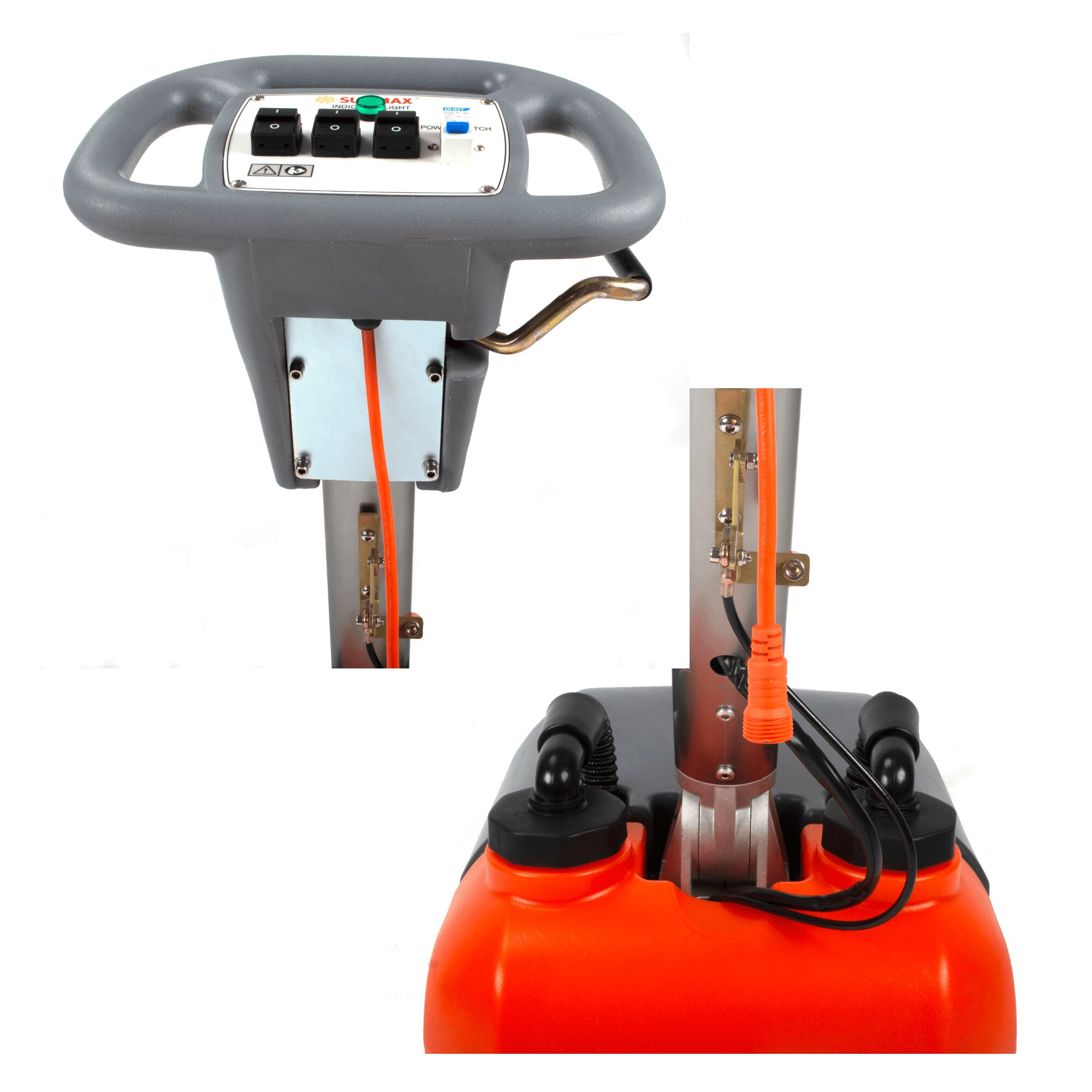
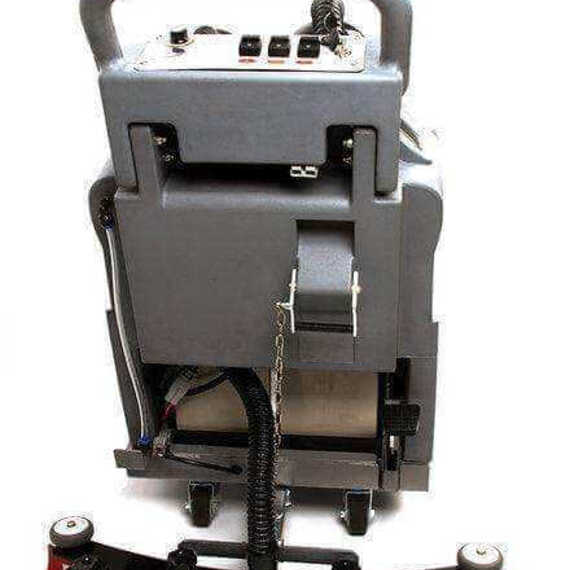
Across distribution, manufacturing, and logistics sectors worldwide, a clear equipment trend has emerged: lithium-ion battery systems are displacing lead-acid batteries in floor scrubbers, pallet jacks, stackers, and other powered material handling equipment. The reasons go beyond technology novelty — lithium delivers measurable operational advantages that matter on the warehouse floor.
No Opportunity Charging Restrictions
Lead-acid batteries suffer from partial charging — repeatedly topping up a partially discharged battery shortens its lifespan and reduces capacity over time. This forces many facilities into rigid charge schedules that don't match operational patterns. Lithium-ion batteries have no memory effect. Operators can charge for 15 minutes during a break, return to work, and repeat throughout the shift without damaging the battery. This flexibility is transformative for multi-shift operations.
Consistent Performance Throughout Discharge
Lead-acid batteries lose power output as they discharge. Equipment slows, lift performance degrades, and scrubber brush pressure drops — all before the battery reads empty. Lithium-ion delivers consistent voltage and performance from 100% to near depletion. Your equipment performs the same at the end of a shift as it did at the start.
Faster Charging
A standard lead-acid battery pack requires 8–10 hours to charge fully, then a 1-hour cool-down before use. Lithium-ion packs charge in 1–3 hours depending on pack size and charger output. For facilities running two or three shifts, this eliminates the need for multiple battery swaps or spare battery packs.
Reduced Infrastructure and Maintenance
Lead-acid charging requires dedicated ventilated battery rooms to manage hydrogen off-gassing, eyewash stations, acid-resistant floors, and regular electrolyte maintenance. Lithium-ion batteries require none of this. Charging can happen anywhere with an appropriate outlet, eliminating infrastructure cost and simplifying compliance.
Cold-Climate Considerations
Cold storage facilities and warehouses in colder provinces face a specific challenge: lead-acid batteries lose 30–50% of their capacity at temperatures near 0°C. Lithium-ion maintains significantly better performance in cold environments — a critical advantage for facilities operating in cold storage zones or unheated dock areas during harsh winter conditions.
Long-Term Economics
Lithium batteries typically carry a higher upfront cost, but with lifespans of 2,000–3,000 cycles versus 500–1,000 for lead-acid, the total cost of ownership over a 5–7 year period frequently favours lithium — especially when reduced maintenance and infrastructure savings are included.
Mayfair Export supplies lithium-equipped floor scrubbers and material handling equipment for modern warehouse operations. Contact us to discuss options for your fleet.